









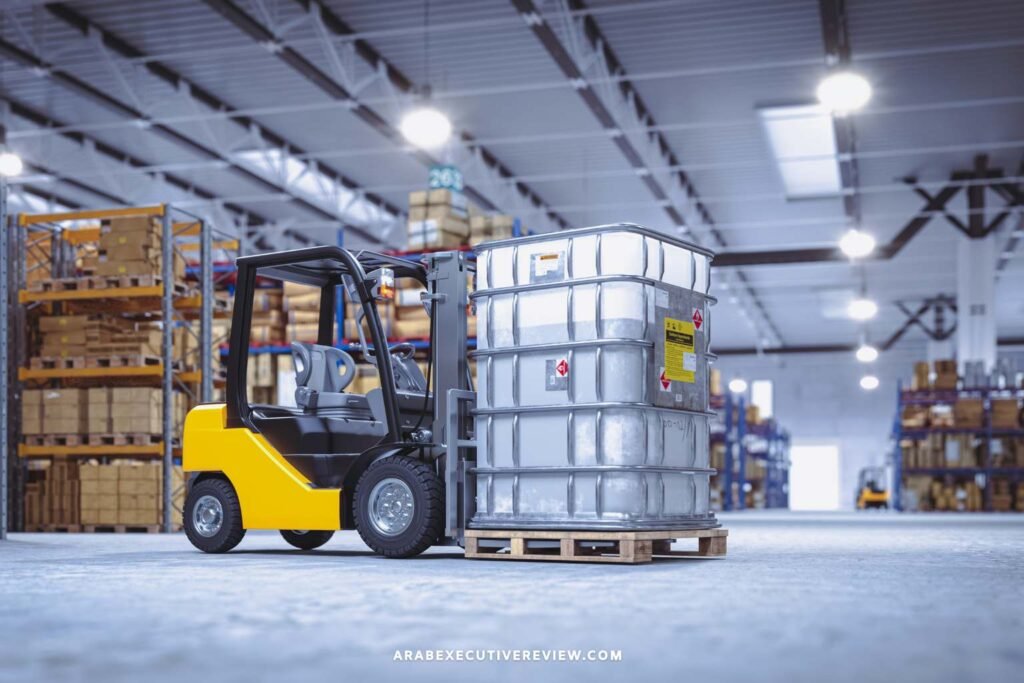
Food businesses across the United Arab Emirates are facing growing supply chain and transportation cost pressures as disruptions to international shipping routes and changing logistics conditions affect the movement of essential goods. The challenges are creating additional expenses for food importers, distributors, supermarkets, restaurants, and other businesses that depend on international suppliers.
The UAE relies significantly on food imports to meet domestic consumption needs. As a result, changes in global freight rates, shipping schedules, fuel prices, and supply availability can influence the operating costs of businesses throughout the food industry.
Rising Transportation Costs Put Pressure on Food Businesses
Transportation remains a major component of food supply chain expenses. International shipping disruptions can force companies to consider alternative routes, longer delivery schedules, and additional logistics arrangements.
For food importers, these changes may increase freight charges, insurance expenses, warehousing costs, and inventory management requirements. Businesses handling perishable products face additional challenges because delays can affect product quality and increase the risk of spoilage.
Small and medium-sized food businesses may experience greater financial pressure because they often have less purchasing power and fewer logistics alternatives than larger companies.
Food Importers Explore Alternative Supply Routes
To maintain consistent product availability, food distributors and importers are increasingly focused on improving supply chain flexibility. Companies may explore alternative shipping routes, diversify supplier networks, and strengthen relationships with regional producers.
The UAE has also continued to invest in logistics infrastructure, ports, storage facilities, and food security initiatives to support the movement and availability of essential goods.
These developments are important for businesses seeking to reduce their dependence on individual suppliers or transportation corridors.
Supermarkets and Restaurants Review Operating Strategies
Rising supply chain expenses can influence how supermarkets, grocery retailers, restaurants, and food service providers manage their operations.
Businesses may review procurement contracts, adjust inventory levels, negotiate with suppliers, and improve demand forecasting to manage changing costs.
Restaurants and food manufacturers may also consider sourcing selected ingredients from regional suppliers when quality, availability, and pricing make it commercially practical.
However, businesses must balance cost management with product quality and customer expectations. Significant increases in operating expenses can eventually put pressure on profit margins and consumer prices.
Food Security Remains a Strategic Business Priority
Food security continues to be an important economic priority for the UAE. Government initiatives supporting agricultural technology, local food production, strategic reserves, and international trade partnerships are intended to strengthen the country’s ability to manage supply disruptions.
Investments in vertical farming, greenhouse agriculture, food processing, and storage technologies are creating opportunities for businesses interested in improving domestic food production.
Although local production cannot replace all imported food requirements, it can help diversify supply sources and strengthen the country’s long-term resilience.
Opportunities for Logistics and Food Technology Companies
The changing supply chain environment is also creating opportunities for businesses offering logistics, warehousing, and food technology solutions.
Companies investing in cold-chain transportation, automated inventory management, real-time shipment tracking, and predictive analytics can help food distributors improve operational efficiency.
Digital supply chain platforms can also help businesses identify delivery delays, monitor inventory levels, and make purchasing decisions based on changing market conditions.
For entrepreneurs and investors, these areas represent potential opportunities within the UAE’s expanding food and logistics ecosystem.
Outlook for the UAE Food Industry
The outlook for UAE food businesses will depend on international shipping conditions, transportation expenses, supplier availability, and the effectiveness of supply chain management strategies.
Businesses that diversify sourcing networks, adopt digital logistics solutions, and improve inventory planning may be better positioned to manage future disruptions.
As the UAE continues strengthening its food security infrastructure and international trade relationships, supply chain resilience is likely to remain a key consideration for the country’s food industry.
Conclusion
Rising supply chain and transportation costs are creating operational challenges for food businesses across the UAE. However, the situation is also encouraging companies to rethink procurement strategies, explore alternative supply routes, and invest in more efficient logistics systems.
For the UAE’s food industry, building flexible and reliable supply chains will remain essential to maintaining business competitiveness, protecting profit margins, and supporting long-term food security.