



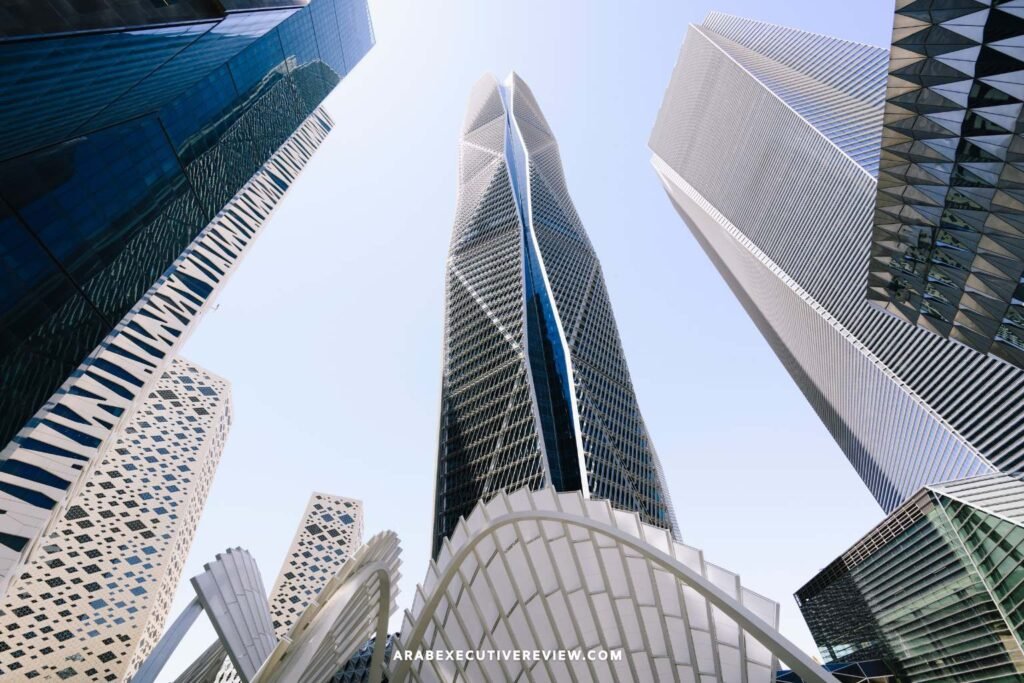
Saudi Arabia recorded a significant increase in investment activity during the third quarter of 2026, issuing 9,851 investment licences, marking a 111% year-on-year rise compared with 4,667 licences during the same period in 2025. The latest figures highlight growing business interest across key sectors as the Kingdom continues its economic diversification efforts under Vision 2030.
According to the Saudi Ministry of Investment’s Economic and Investment Monitor for Q3 2026, construction, wholesale and retail trade, and manufacturing accounted for approximately 65% of all investment licences issued during the quarter.
Construction and Retail Lead Investment Growth
Construction emerged as the leading sector, receiving 3,029 investment licences, representing an 87% increase compared with the previous year.
Wholesale and retail trade followed with 2,290 licences, recording 149% growth. Manufacturing attracted another 1,084 licences, an increase of 85% year-on-year.
Several smaller industries also experienced substantial growth. Investment licences in real estate increased by 243% to 161, while financial and insurance activities recorded a 214% rise to 44 licences. The education sector also showed strong momentum, with licences increasing by 173% to 120.
These figures indicate that investment interest is expanding beyond traditional industries, with opportunities emerging across property, financial services, education and commercial activities.
Saudi Arabia Strengthens Its Investment Environment
The increase in investment licences reflects Saudi Arabia’s continued efforts to attract domestic and international businesses. Through Vision 2030, the government aims to diversify economic activity, strengthen private-sector participation and reduce dependence on oil revenues.
The Kingdom has introduced regulatory reforms and business initiatives to improve the investment environment, encourage entrepreneurship and create opportunities for international companies.
The growth in licences also comes alongside an increase in capital investment. Nominal gross fixed capital formation reached approximately SAR345 billion in the second quarter of 2026, rising 5.3% year-on-year. The non-government sector accounted for approximately 89% of this total.
Saudi Arabia also recorded 72 venture capital deals during the first half of 2026, representing 34% of all venture capital deals across the Middle East and North Africa.
Investment Growth Comes With Economic Challenges
Despite the increase in investment licences, some economic indicators point to challenges in the broader investment environment.
Net foreign direct investment inflows declined 19.4% year-on-year to SAR19.1 billion in the second quarter of 2026, according to the General Authority for Statistics. This highlights the importance of distinguishing between investment licences issued and capital actually entering the economy.
Meanwhile, the Kingdom continues to balance major development projects, private-sector expansion and changing global economic conditions.
What the Investment Surge Means for Saudi Arabia’s Business Future
The 111% increase in investment licences demonstrates the continued expansion of business activity across several important industries. Construction, retail and manufacturing remain major areas of commercial interest, while real estate, finance and education are also attracting new business participation.
For international investors, the latest figures provide an indication of the opportunities available in Saudi Arabia’s changing economy. However, the long-term impact will depend on whether these licences translate into operational businesses, employment opportunities, capital investment and sustainable economic growth.
As Saudi Arabia advances its Vision 2030 objectives, maintaining investor confidence and encouraging productive private-sector investment will remain important priorities for the Kingdom’s economic future.