







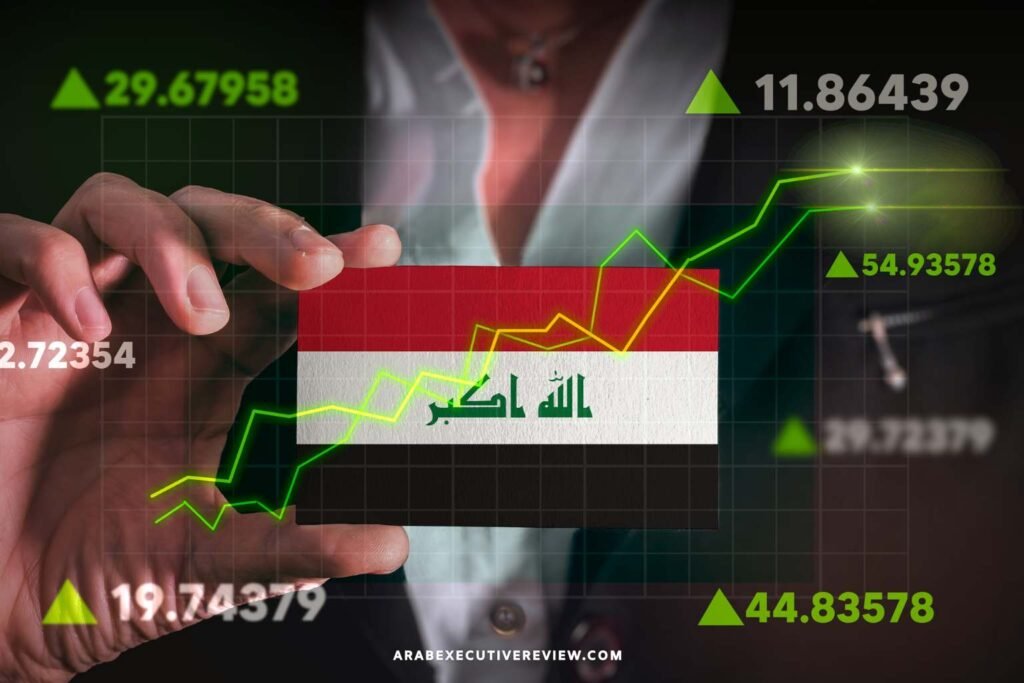
BAGHDAD, October 14, 2026: Iraq faces a steep economic downturn this year, with recent reports on the International Monetary Fund’s latest forecasts pointing to a sharp contraction as regional conflict disrupts energy production, exports and transport.
According to Iraqi News, citing the October 2026 World Economic Outlook, the IMF projects Iraq’s real gross domestic product to shrink by 16 percent in 2026, followed by 19 percent growth in 2027. The forecast indicates a substantial decline in economic activity before a potential rebound next year.
Energy Disruptions Weigh on Economic Activity
Iraq Business News reported on October 14 that the IMF places Iraq among the commodity-producing economies most affected by disruptions to energy output and transportation.
The report identifies Iraq, Bahrain, Kuwait and Qatar as countries expected to experience double-digit economic contractions in 2026. Their projected recovery in 2027 depends on production, exports and logistics returning to more normal conditions.
Iraq’s dependence on oil revenue has amplified the financial consequences of interrupted exports. Reuters reported on October 7 that disruption to shipping routes had reduced the country’s oil export volumes, putting pressure on government finances despite elevated international oil prices.
Dinar Devaluation Adds Pressure on Importers
The worsening economic outlook follows Iraq’s decision to devalue its currency earlier this month.
On October 7, the government set the consumer exchange rate at 1,520 Iraqi dinars per U.S. dollar. The adjustment allows the government to receive more local currency for each dollar of oil revenue, helping it meet domestic spending obligations.
However, the weaker dinar also raises the local cost of imported goods and reduces household purchasing power, according to analysts cited by Reuters.
For businesses purchasing goods in dollars and earning revenue in dinars, the currency adjustment creates additional financial pressure. Associated Press reported that Iraqi traders expressed concern about the gap between dollar-denominated debts and payments collected in local currency.
Government Introduces Support Measures
The Iraqi government has announced financing measures intended to support economic activity and ease pressure on businesses.
On October 5, Arab News reported that authorities had directed a 3.5 trillion dinar financing package toward housing, industrial projects and other productive sectors. The measures also included funding to settle outstanding payments owed to contractors and farmers.
The package was designed to support private sector activity, project financing and employment across several industries, including agriculture, construction, tourism and services.
Separately, a financial adviser to the prime minister said on October 13 that Iraq would continue subsidizing fuel and basic services to soften the effects of the dinar’s devaluation. The government could also reduce or postpone customs duties on food and essential goods when necessary, Shafaq News reported.
Recovery Forecast Depends on Improving Conditions
While the reported IMF warns projections point to a strong rebound in 2027, that outlook remains tied to the restoration of energy production, export capacity and transport networks.
Iraq Business News said the expected expansion reflects an anticipated normalization of those activities after the disruption experienced in 2026. A prolonged interruption would therefore remain a risk to the recovery outlook.
For now, Iraq’s economic outlook combines a severe near-term contraction with the prospect of recovery next year. Government support measures and currency adjustments are being introduced as authorities respond to the immediate pressures facing public finances, businesses and households.