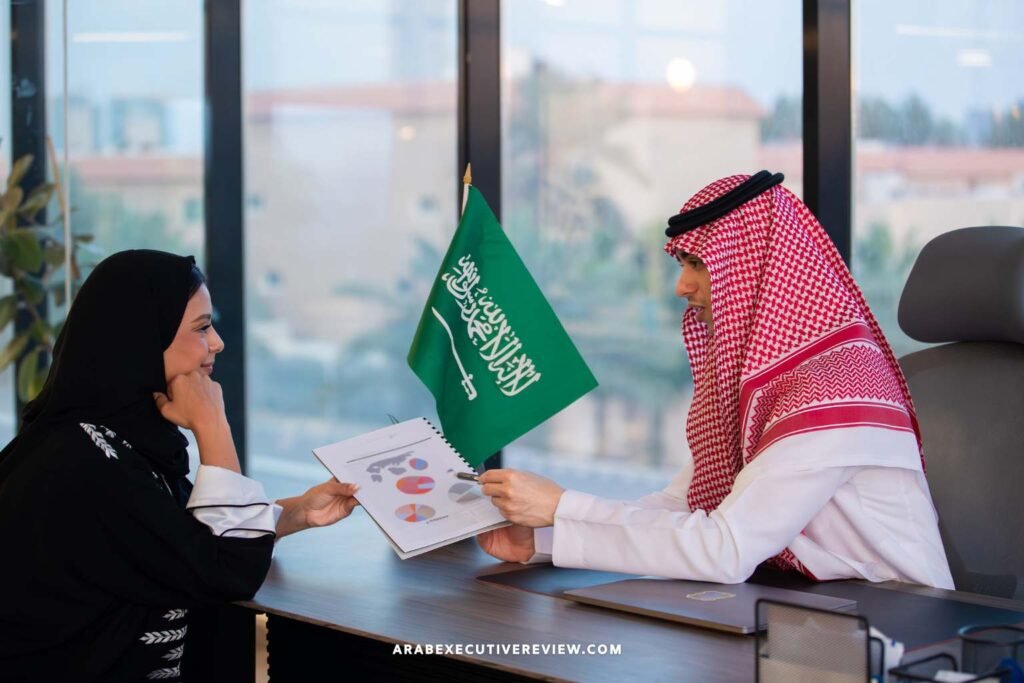

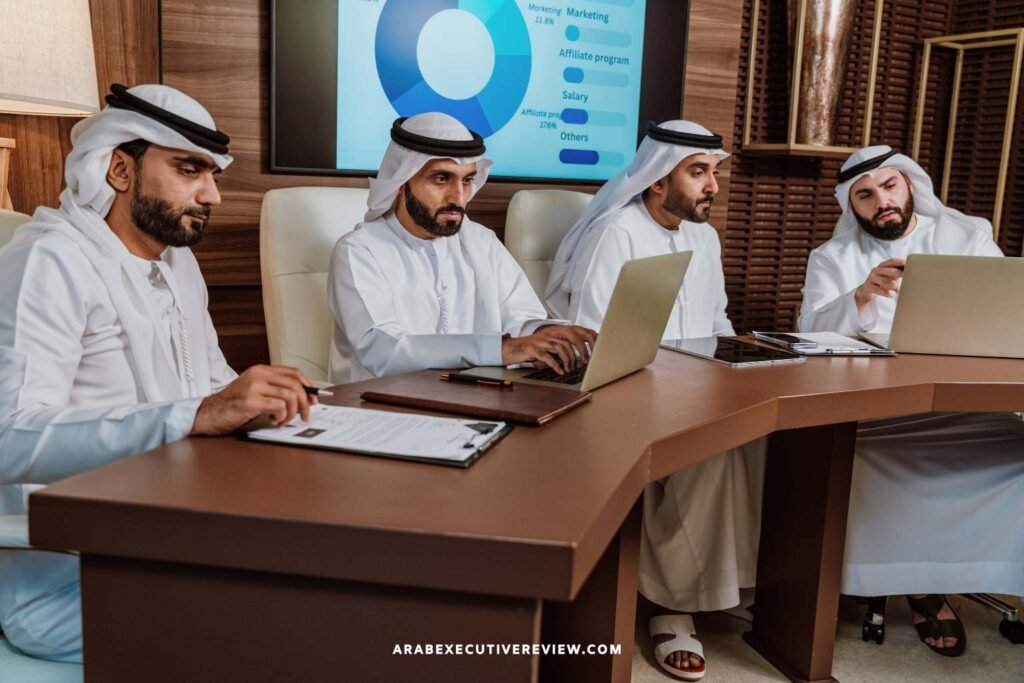
The Arab world is entering a new phase of economic growth. For decades, many economies across the region were closely associated with oil, natural gas, and other traditional industries. Today, the business landscape is becoming considerably more diverse.
From technology startups in the UAE and Saudi Arabia to financial services, tourism, logistics, manufacturing, renewable energy, and digital commerce, new industries are becoming increasingly important to regional growth. Governments are investing in economic diversification, entrepreneurs are launching businesses for regional and international markets, and global companies are expanding their presence across major Arab economies.
The result is a more connected and ambitious business environment stretching from the Gulf to North Africa. Several forces are helping drive this transformation.
1. Economic Diversification Is Creating New Industries
One of the biggest forces behind business growth across the Arab world is the effort to reduce dependence on traditional sources of government revenue.
Several Arab countries have introduced long-term economic strategies designed to develop sectors beyond oil and gas. Saudi Arabia’s Vision 2030 is one of the most prominent examples, with investment directed toward tourism, entertainment, technology, logistics, manufacturing, financial services, and other industries.
The UAE has similarly developed a diversified economy in which sectors such as trade, aviation, tourism, finance, real estate, logistics, and technology play significant roles.
This diversification creates opportunities throughout the business ecosystem. When governments invest in new industries, demand can grow for suppliers, consultants, technology providers, construction companies, professional services firms, and startups.
2. Entrepreneurship Is Becoming a Bigger Economic Force
A new generation of entrepreneurs is also reshaping the Arab business landscape.
Dubai, Abu Dhabi, Riyadh, Cairo, Amman, and other major cities have developed growing startup communities supported by accelerators, venture capital firms, government programs, universities, and corporate investors.
Entrepreneurs are building companies in areas including fintech, e-commerce, health technology, logistics, food delivery, software, education technology, and artificial intelligence.
Importantly, many founders are no longer building companies solely for their domestic markets. A successful startup established in one Arab country can increasingly look toward the wider Middle East and North Africa as its next market.
This regional mindset is helping create businesses with much greater potential scale.
3. Foreign Investment Is Expanding Business Opportunities
International investors and multinational companies increasingly view major Arab economies as important growth markets.
The Gulf in particular has strengthened its position as a destination for international capital. Business-friendly regulations, major infrastructure investments, strategic geographic locations, and access to growing consumer markets have helped cities such as Dubai, Abu Dhabi, and Riyadh attract international companies.
Foreign investment can have effects beyond the individual companies receiving capital. New investment can generate demand for local employees, suppliers, professional services, office space, technology, transportation, and infrastructure.
At the same time, partnerships between international businesses and regional companies can help bring additional expertise, technology, and access to global markets.
4. Digital Transformation Is Changing How Companies Operate
Technology is another major driver of the Arab world’s changing business environment.
Companies across the region are adopting cloud computing, digital payments, e-commerce platforms, automation, data analytics, cybersecurity tools, and artificial intelligence.
Governments have also expanded digital public services and invested in technology infrastructure.
For businesses, this transformation can lower barriers to entering markets. A company may no longer require an extensive physical network to reach customers across multiple countries. Digital platforms allow startups and established businesses to sell products, deliver services, process payments, and communicate with customers across borders.
This is particularly important for small and medium-sized businesses seeking to scale.
5. Infrastructure Investment Is Supporting Expansion
Business growth requires infrastructure, and countries across the Arab world have invested heavily in building it.
Airports, ports, roads, rail networks, industrial zones, logistics centers, telecommunications networks, and new urban developments are improving connectivity between businesses and markets.
The Gulf’s location between Asia, Europe, and Africa gives the region an important geographic advantage for trade and logistics.
Major ports and aviation hubs in the UAE, Saudi Arabia, Qatar, and other Gulf countries support the movement of people and goods across international markets.
Meanwhile, investments in transport and logistics infrastructure can help businesses reach customers faster and integrate more effectively into global supply chains.
6. Tourism Is Creating Opportunities Beyond Hospitality
Tourism is becoming an increasingly important part of economic diversification strategies across several Arab economies.
Saudi Arabia has invested heavily in developing tourism destinations, entertainment projects, cultural attractions, and hospitality infrastructure. The UAE has already established Dubai and Abu Dhabi as major international tourism and business destinations.
Countries including Egypt, Morocco, Jordan, and Oman also benefit from strong cultural, historical, coastal, and natural tourism assets.
Growth in tourism affects considerably more than hotels and airlines. It can create opportunities for restaurants, retailers, event companies, transportation providers, travel technology platforms, construction businesses, entertainment companies, and local entrepreneurs.
7. A Young Population Is Driving New Consumer Demand
Demographics are another important part of the region’s business story.
Many Arab countries have relatively young populations. Younger consumers are often active users of smartphones, digital banking, social media, online shopping, streaming services, and technology-enabled services.
That is changing how companies approach the market.
Businesses increasingly need mobile-first customer experiences, digital payment options, faster delivery, personalized services, and strong online brands.
The same demographic shift is also influencing entrepreneurship as younger professionals explore opportunities to build businesses rather than rely exclusively on traditional employment.
8. Global Partnerships Are Becoming More Important
Arab economies are expanding commercial relationships with countries across Asia, Europe, Africa, and the Americas.
China, India, European countries, the United States, and emerging Asian economies remain important trade and investment partners for different parts of the region.
These relationships are increasingly moving beyond traditional energy trade.
Technology, manufacturing, renewable energy, logistics, infrastructure, financial services, tourism, food security, and advanced industries are becoming important areas of international cooperation.
For Arab companies, stronger global partnerships can provide access to investment, technology, expertise, suppliers, and new customers.
9. Financial Centers Are Connecting Regional and Global Capital
The growth of financial centers across the Gulf is another factor supporting business expansion.
Dubai and Abu Dhabi have developed significant financial ecosystems, while Riyadh is expanding its role as Saudi Arabia seeks to attract financial institutions, investors, and multinational companies.
The growth of banking, asset management, private equity, venture capital, fintech, and professional services makes it easier for companies to access different forms of financing and expertise.
Regional sovereign wealth funds are also major participants in global investment markets while supporting strategic industries and economic development closer to home.
Together, these developments are creating deeper connections between Arab businesses and international capital.
10. The Private Sector Is Taking a Larger Role
Perhaps one of the most important long-term changes is the growing emphasis on private-sector development.
Governments across several Arab economies are encouraging entrepreneurship, private investment, international partnerships, and the development of small and medium-sized enterprises.
A stronger private sector can help economies create employment, introduce new technologies, improve productivity, and develop industries capable of competing internationally.
This shift also creates opportunities for a wider range of business leaders. Founders, executives, investors, family businesses, and emerging companies are becoming increasingly important participants in the region’s economic transformation.
Different Countries, Different Growth Stories
It is important not to view the Arab world as a single business market.
The region includes 22 Arab League member states with very different economic structures, populations, regulatory systems, resources, and development priorities.
The UAE has developed strong positions in trade, finance, logistics, tourism, aviation, and technology. Saudi Arabia is undertaking a large-scale diversification program. Qatar continues to build on its energy wealth while expanding other sectors. Egypt offers one of the region’s largest consumer markets, while Morocco has developed capabilities in areas such as manufacturing, automotive production, tourism, and renewable energy.
Other countries have their own opportunities and challenges.
Understanding these differences is essential for businesses considering expansion across the region.
What Could Shape the Next Phase of Arab Business Growth?
The next phase will depend not only on how much money countries invest, but also on whether businesses can turn that investment into sustainable economic activity.
Access to skilled talent, regulatory development, financing for growing companies, cross-border trade, productivity, technology adoption, and private-sector competitiveness will all matter.
There are challenges as well. Geopolitical uncertainty, global economic slowdowns, energy-price volatility, water constraints, regional conflicts, and differences in regulations can affect investment and business confidence.
However, the direction of economic development across several major Arab economies is clear: diversification and private-sector expansion are becoming increasingly central to long-term economic strategies.
FAQs
Why is business growing across the Arab world?
Business growth is being supported by economic diversification, government investment, entrepreneurship, digital transformation, foreign investment, infrastructure development, and expanding international partnerships.
Which Arab countries are attracting significant business activity?
The UAE and Saudi Arabia are prominent business and investment destinations, while Qatar, Egypt, Morocco, Bahrain, Oman, Jordan, and other Arab economies offer opportunities across different industries.
Which sectors are growing across the Arab world?
Technology, fintech, tourism, logistics, renewable energy, manufacturing, e-commerce, financial services, healthcare, real estate, and professional services are among the sectors receiving increased attention and investment.
Why are global companies expanding into Arab markets?
Companies are attracted by growing consumer markets, infrastructure, strategic geographic locations, investment opportunities, economic diversification programs, and access to markets connecting Asia, Africa, and Europe.
Conclusion
The new wave of business growth across the Arab world is not being driven by a single industry or country. It reflects a broader transformation involving economic diversification, entrepreneurship, technology, infrastructure, foreign investment, global partnerships, and an expanding role for the private sector.
The UAE and Saudi Arabia may be among the most visible examples, but important business developments are taking place across the wider Arab region.
As economies become more diversified and connected to international markets, the next generation of Arab business growth is likely to be shaped not only by natural resources, but increasingly by entrepreneurs, executives, investors, technology companies, and businesses capable of competing on a global scale.