
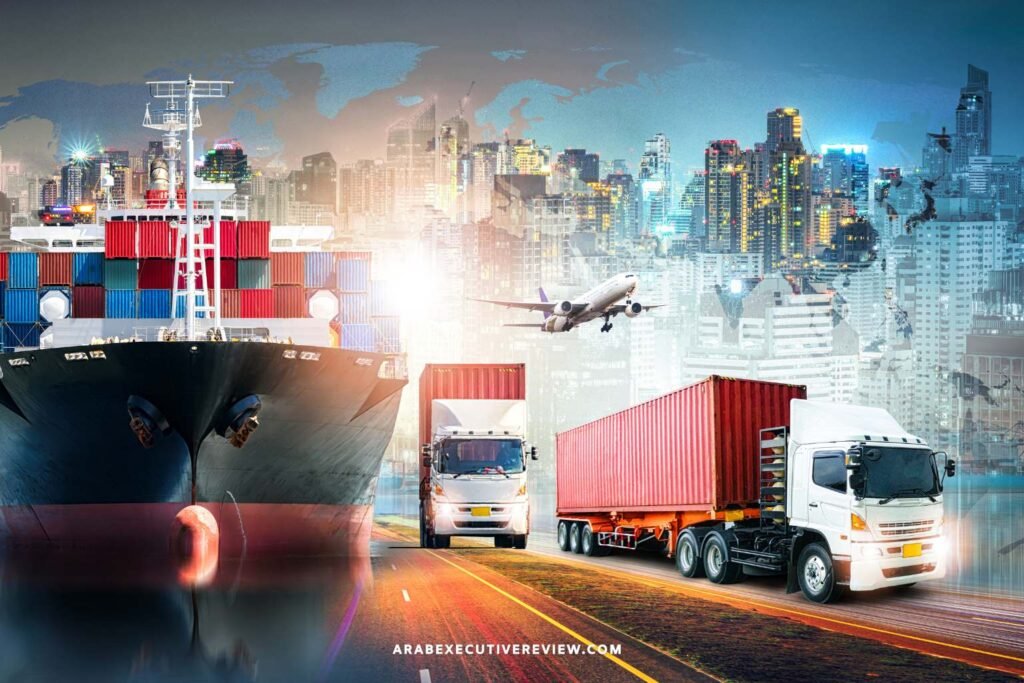
The UAE’s logistics sector is becoming more than a support system for trade. It is developing into a major part of the country’s wider business economy, connecting ports, airports, roads, free zones, warehouses and manufacturing centres.
The scale of activity is already significant. The UAE’s non-oil foreign trade reached AED 1.937 trillion in the first half of 2026, an increase of 13.1% compared with the same period in 2025. Non-oil exports reached a record AED 452.8 billion, according to the Emirates News Agency.
Moving this volume of goods requires more than ports and highways. It requires an integrated logistics network that can respond to changing trade routes, growing e-commerce demand and disruptions in global supply chains.
That is where the UAE is putting increasing attention.
Logistics Is Becoming an Economic Growth Sector
The UAE government has been working to integrate different parts of the country’s logistics infrastructure.
In July 2026, the UAE Logistics Integration Council reviewed plans to strengthen coordination between transport, trade and logistics systems. The council’s work covers the development of a more integrated national logistics ecosystem and greater supply chain resilience.
The objective is broader than simply moving goods faster.
An integrated logistics system can reduce the time and cost involved in moving products between manufacturers, warehouses, ports, airports and customers.
For businesses, that can affect everything from inventory management to delivery times and access to international markets.
Air Cargo Is Expanding
Dubai’s air cargo infrastructure provides a clear example of this growth.
During the first half of 2026, Dubai Customs’ Air Cargo Centres Management processed approximately 18.2 million customs transactions. That was up from around 11.9 million transactions during the same period in 2025, representing growth of nearly 53%.
The increase comes as businesses continue to rely on air freight for time-sensitive products and as e-commerce creates demand for faster movement of goods.
Air cargo is particularly important for sectors such as electronics, pharmaceuticals, high-value products and other goods where delivery speed can affect business performance.
Dubai’s position as an international aviation hub gives logistics companies access to a large network of markets.
Multimodal Logistics Is Becoming More Important
Air cargo is only one part of the system.
The UAE is expanding connections between maritime, road, rail and air transportation. In August 2026, WAM reported that the country was developing an integrated supply chain infrastructure linking manufacturing and storage facilities with ports, airports and border crossings.
This approach allows businesses to use different transportation methods depending on the type of product, destination and urgency.
A manufacturer, for example, may use sea freight for large volumes while relying on road or air transportation for smaller or more time-sensitive shipments.
The ability to combine different modes of transport can make supply chains more flexible.
Ports Remain at the Centre
The UAE’s maritime infrastructure continues to play a central role in the logistics economy.
Abu Dhabi’s ports and related economic zones connect shipping activity with industrial, commercial and logistics operations.
AD Ports Group reported revenue of AED 7.08 billion in the second quarter of 2026, representing a 47% increase year over year. The company said growth was driven by its Maritime & Shipping, Economic Cities & Free Zones and Logistics Clusters businesses.
The results illustrate how logistics is increasingly connected with industrial and commercial infrastructure.
Ports are no longer simply locations where containers arrive and leave. They can also sit alongside free zones, warehouses, manufacturing facilities and distribution networks.
That integration can help companies move products closer to their target markets.
Free Zones Add Another Layer
Free zones are another important component of the UAE logistics model.
The country’s free zones provide businesses with infrastructure for warehousing, distribution, manufacturing and trading activities.
The UAE Ministry of Economy and Tourism identifies industrial and technology investment incentives that include customs exemptions on machinery and raw materials in qualifying circumstances, alongside programmes such as In-Country Value and Make it in the Emirates.
For logistics businesses, the combination of industrial zones, warehouses and transportation infrastructure can reduce the distance between production and distribution.
This is particularly relevant as the UAE tries to develop more local manufacturing capacity.
E-Commerce Is Changing Logistics Demand
Consumer behaviour is also influencing the logistics sector.
Online shopping has increased expectations around delivery speed, inventory availability and tracking.
Dubai Customs said the rise in air cargo transactions during H1 2026 reflected, among other factors, growing e-commerce activity and the need for greater operational capacity.
For logistics companies, this creates demand for more sophisticated systems.
Warehouses need better inventory management. Delivery companies need accurate tracking. Retailers need to coordinate stock across multiple locations.
Technology therefore becomes an increasingly important part of logistics infrastructure.
Digital Systems Are Reshaping Trade
The UAE is also investing in digital processes that can make trade easier.
Dubai Customs’ new Strategic Plan 2026-2030 includes initiatives aimed at improving customs services, procedures and capabilities while strengthening the department’s ability to respond to changes in global trade and supply chains. (WAM)
Digital customs systems can help businesses submit information, process shipments and manage regulatory requirements more efficiently.
For companies handling thousands of shipments, even small improvements in processing time can have a meaningful effect on operating costs.
The next phase of logistics is therefore likely to involve more automation, data exchange and digital documentation.
Supply Chain Resilience Has Become a Business Priority
Recent disruptions to international trade have demonstrated how quickly transportation routes can change.
For companies, this has increased the importance of having alternative routes and suppliers.
The UAE has been responding by expanding multimodal transportation options and developing alternative logistics corridors.
AD Ports Group, for example, said in August 2026 that it had continued to develop alternative multimodal trade routes as part of the UAE’s National Programme to Strengthen Supply Chain Resilience.
The idea is straightforward. If one route becomes difficult to use, businesses need other ways to move essential goods.
This is increasingly important for food, pharmaceuticals, manufacturing inputs and other products where delays can affect entire industries.
Dubai Is Strengthening Overland Trade
The UAE’s logistics network also extends beyond ports and airports.
Trade through Dubai’s Hatta Customs Crossing increased 175% during the first half of 2026, according to Dubai Customs. The growth reflects greater use of overland trade routes and the role of the crossing in supporting regional commerce. (WAM)
Overland routes can provide businesses with another option for regional distribution.
This is particularly relevant for companies serving markets across the Gulf and neighbouring regions.
The development of road-based logistics also complements the UAE’s maritime and air infrastructure, creating a more diversified transportation network.
Logistics Is Supporting Manufacturing
The growth of logistics is closely connected to the UAE’s industrial ambitions.
A manufacturing company needs raw materials to reach its factories and finished products to reach customers.
This makes logistics infrastructure an important factor when companies decide where to establish production facilities.
The UAE’s Ministry of Economy and Tourism lists industrial and advanced technology sectors among the areas receiving investment incentives. The country’s broader industrial policies also aim to increase local manufacturing and strengthen supply chains.
Better logistics can therefore make the UAE more attractive as a manufacturing and distribution base.
Opportunities Are Opening for Logistics Technology
The development of the sector is also creating opportunities for technology companies.
Artificial intelligence, automation, cloud platforms and data analytics can help logistics operators forecast demand, manage warehouses and optimise transportation.
Companies can also use digital systems to track shipments and identify delays before they become larger supply chain problems.
This means the logistics industry is increasingly overlapping with the technology sector.
For startups, this creates opportunities to build specialised solutions rather than competing directly with large transportation companies.
What This Means for UAE Businesses
The UAE’s logistics sector is entering a phase where connectivity is becoming as important as capacity.
Ports need to connect efficiently with warehouses. Airports need to process cargo quickly. Roads and border crossings need to support regional distribution. Digital systems need to connect the information moving alongside physical goods.
For businesses, the benefits can include faster delivery, more route options and greater supply chain flexibility.
For investors, the expanding logistics ecosystem creates opportunities across transportation, warehousing, technology, industrial parks and related services.
The sector’s growth also supports the UAE’s wider economic diversification strategy by helping non-oil companies reach customers both inside and outside the country.
The Next Phase of the UAE Logistics Economy
The UAE’s logistics strategy is increasingly focused on integration.
Non-oil trade is growing, air cargo activity is expanding, ports are connecting with industrial zones and the country is developing alternative transportation routes.
The numbers show the scale of the opportunity. Non-oil foreign trade reached AED 1.937 trillion in H1 2026, while Dubai’s air cargo customs transactions increased by nearly 53% over the same period.
The next challenge will be making these different parts of the system work together efficiently.
As the UAE continues developing manufacturing, e-commerce, trade and distribution, logistics will increasingly function as an economic sector in its own right.