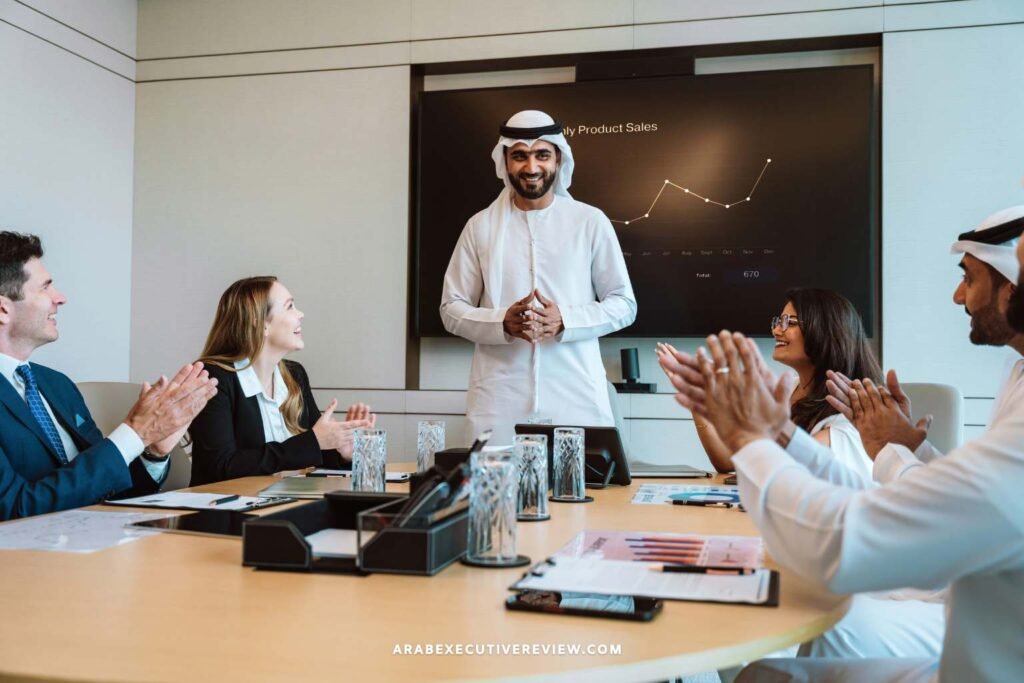

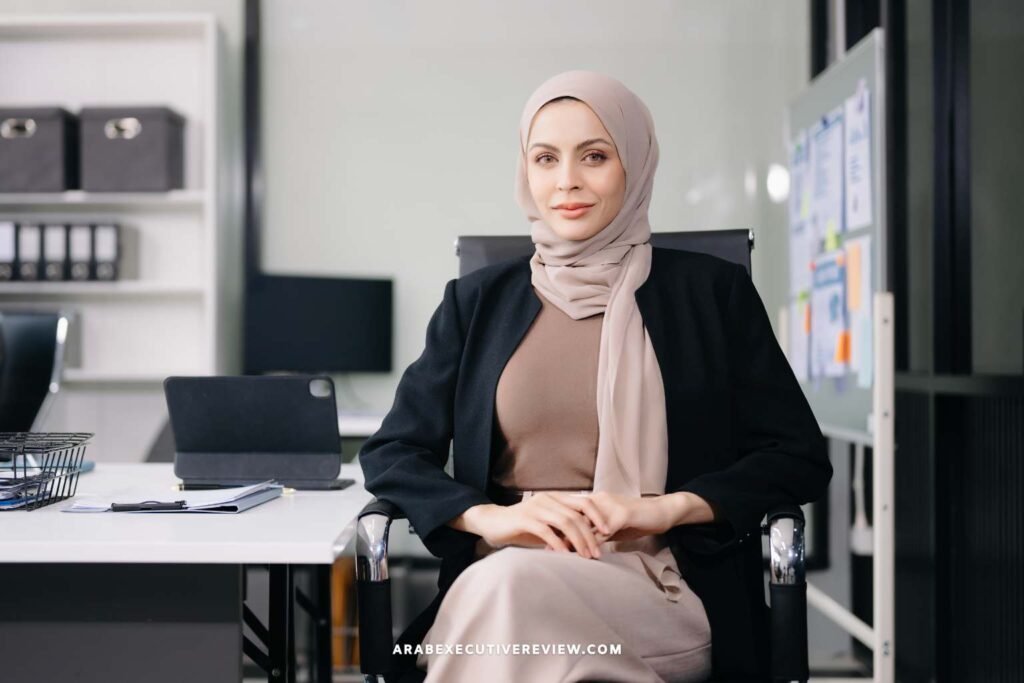
Women entrepreneurs are playing an increasingly visible role in the transformation of economies across the Arab world. From technology startups in the Gulf to e-commerce companies, financial platforms, healthcare businesses, creative enterprises, and small and medium-sized companies across North Africa and the Levant, women are building businesses that serve both local and international markets.
This growth is taking place alongside wider economic changes. Governments across the region are seeking to diversify their economies, increase private-sector participation, develop digital industries, and encourage entrepreneurship. At the same time, greater access to education, technology, professional networks, and startup programs is creating more opportunities for women to establish and expand businesses.
Women-led enterprises are therefore more than a story about representation. They are becoming part of the Arab world’s broader efforts to create jobs, encourage innovation, develop new industries, and build more diversified economies.
Women’s Entrepreneurship Is Expanding Across the Region
There is no single Arab startup ecosystem. Business conditions differ considerably between the Gulf states, North Africa, and the Levant.
However, women entrepreneurs are increasingly present across many of these markets.
The UAE and Saudi Arabia have developed rapidly expanding startup environments supported by investment funds, accelerators, government programs, and international investors. Egypt has become an important entrepreneurship market because of its large population and technology sector, while Jordan, Bahrain, Morocco, Tunisia, and other countries have also developed active startup communities.
Women are participating across sectors ranging from fintech and e-commerce to education, healthcare, food, fashion, consulting, technology, and professional services.
The growth of digital businesses has been particularly important because technology can lower some of the traditional barriers associated with launching and reaching customers.
Economic Diversification Is Creating Opportunities
One of the biggest drivers of entrepreneurship across the Arab world is economic diversification.
Several governments are seeking to reduce dependence on traditional industries by developing technology, tourism, financial services, logistics, healthcare, entertainment, renewable energy, advanced manufacturing, and other sectors.
Saudi Arabia’s Vision 2030 provides one prominent example. The country’s labor-market reforms and wider economic transformation have coincided with a substantial increase in women’s economic participation. World Bank data show that female labor-force participation in Saudi Arabia has risen significantly compared with levels seen a decade ago.
For entrepreneurs, diversification creates new markets.
As industries develop, opportunities emerge for businesses providing software, marketing, consulting, logistics, training, financial services, consumer products, healthcare solutions, and specialized professional services.
Women entrepreneurs can both participate in these expanding sectors and create services that support their continued development.
Technology Is Lowering Barriers to Entrepreneurship
Digital transformation has fundamentally changed how businesses can be created.
An entrepreneur no longer necessarily needs a large physical store, extensive staff, or substantial infrastructure to reach customers. E-commerce platforms, cloud software, social media, digital payments, online marketplaces, and remote-working tools allow companies to begin with relatively lean operations.
This shift can be especially significant for women who have historically faced greater barriers to entering traditional business networks.
Digital platforms allow entrepreneurs to market products directly to consumers, build professional brands, manage payments, communicate with international clients, and operate businesses across geographic boundaries.
Technology is also creating entirely new entrepreneurial opportunities in fintech, healthtech, edtech, artificial intelligence, cybersecurity, software, and digital services.
The UAE Has Become an Important Center for Women-Led Businesses
The UAE has positioned entrepreneurship as an important component of its diversified economy.
Dubai and Abu Dhabi offer established startup ecosystems containing free zones, venture capital firms, accelerators, international companies, financial institutions, and government-backed innovation programs.
Women entrepreneurs can establish businesses across industries ranging from technology and consulting to retail, hospitality, healthcare, financial services, and creative industries.
The UAE also provides access to an unusually international customer base. A business established in Dubai can potentially serve customers across the Gulf while developing relationships with partners in Asia, Europe, and Africa.
This international connectivity makes the country attractive to both Emirati and expatriate women entrepreneurs seeking to develop regional businesses.
Saudi Arabia Is Creating a New Generation of Entrepreneurs
Saudi Arabia is experiencing one of the region’s most significant economic transformations.
Government programs supporting SMEs, venture capital, digitalization, tourism, entertainment, and technology have expanded the range of opportunities available to entrepreneurs.
Women have become increasingly visible within this transformation.
They are establishing companies, entering previously male-dominated industries, investing in businesses, and taking leadership positions across the private sector.
The country’s rapidly expanding startup ecosystem also provides greater access to accelerators, funding programs, mentorship, and professional networks.
As Saudi Arabia continues developing industries beyond oil, women-led companies can become an increasingly important source of innovation and private-sector employment.
North Africa Brings Scale and Entrepreneurial Talent
Women’s entrepreneurship in the Arab world is not limited to wealthy Gulf economies.
North African markets such as Egypt, Morocco, and Tunisia have developed strong communities of founders and technology professionals.
Egypt is particularly significant because of its large domestic consumer market. Startups addressing payments, logistics, healthcare, education, e-commerce, and business services can potentially reach millions of customers.
Morocco’s proximity to Europe and its growing technology, manufacturing, tourism, and renewable-energy sectors create different opportunities for entrepreneurs.
Tunisia, meanwhile, has developed a reputation for producing skilled technology talent and has introduced initiatives intended to support startup development.
Women founders operating in these markets may face different financing and economic conditions from their Gulf counterparts, but they are nevertheless contributing to the region’s broader entrepreneurial landscape.
E-Commerce Is Creating New Business Opportunities
E-commerce has become an important entry point for women entrepreneurs.
A founder can now launch a fashion brand, beauty company, food business, homeware brand, educational service, or specialized consumer product without initially building a large traditional retail network.
Social commerce has further reduced entry barriers.
Instagram, TikTok, WhatsApp, and other platforms can function as marketing, customer-engagement, and sales channels for small businesses. Digital payment systems and delivery networks make it easier to convert online audiences into customers.
Some businesses remain small lifestyle enterprises, while others can develop into scalable brands capable of expanding across multiple Arab markets.
Women Are Entering Technology and Fintech
Technology entrepreneurship has traditionally struggled with gender imbalance globally, and the Arab world is no exception.
Nevertheless, women founders are increasingly entering technology-focused sectors.
Fintech is particularly important because the region is experiencing rapid adoption of digital payments, online banking, financial platforms, and other digital financial services.
Women entrepreneurs are also developing businesses in healthtech, edtech, software, e-commerce infrastructure, HR technology, and other digital sectors.
These industries offer potentially significant opportunities because many solutions can scale beyond a single city or country.
A successful digital platform developed in Riyadh, Dubai, Cairo, or Amman may eventually serve customers across multiple Middle Eastern and North African markets.
Access to Funding Is Improving, but Gaps Remain
Funding remains one of the biggest challenges facing women entrepreneurs.
Globally, female-founded startups continue to receive a relatively small proportion of venture capital. Similar funding gaps exist across Middle Eastern startup markets.
This matters because businesses that cannot access growth capital may struggle to hire employees, develop technology, market products, or expand internationally.
However, the regional financing environment is evolving.
The growth of venture capital in Saudi Arabia and the UAE, alongside angel investor networks, government-backed funds, accelerators, entrepreneurship competitions, and specialized financing programs, is increasing the overall amount of capital available to startups.
Some initiatives specifically focus on women founders, providing funding, mentorship, networking, and business-development support.
The longer-term challenge is ensuring women-led companies can access mainstream investment based on the commercial potential of their businesses rather than relying primarily on programs designed specifically for women.
Networks and Mentorship Are Becoming More Important
Capital is only one part of building a successful business.
Entrepreneurs also need access to experienced mentors, potential customers, suppliers, employees, investors, and industry contacts.
Historically, limited access to established business networks has been an obstacle for some women entrepreneurs.
Startup accelerators, business councils, founder communities, conferences, coworking spaces, and digital professional networks are helping change this environment.
These networks can connect new founders with experienced entrepreneurs who understand how to manage hiring, fundraising, pricing, expansion, and other challenges.
For women building companies in relatively new industries, access to mentors who have already navigated similar problems can be particularly valuable.
Women-Led SMEs Can Support Job Creation
Not every successful entrepreneur needs to build a billion-dollar technology company.
Small and medium-sized enterprises form an important part of economies throughout the Arab world.
Women-owned SMEs operating in professional services, retail, healthcare, education, tourism, food, manufacturing, consulting, and creative industries can create employment while contributing to local economic activity.
A company that grows from two employees to twenty may not attract international headlines, but thousands of businesses following similar paths can have a significant economic impact.
Supporting women entrepreneurs therefore also contributes to broader goals around private-sector development and employment.
International Expansion Is Becoming More Achievable
One of the most interesting changes in Arab entrepreneurship is the increasing possibility of building regional rather than purely domestic businesses.
The Gulf Cooperation Council provides access to several relatively connected markets, while digital businesses can expand even further.
Trade agreements, improved logistics, international payment systems, and regional investment networks can make cross-border expansion easier.
The UAE’s position as an international business hub provides one route to global markets, while Saudi Arabia’s large domestic economy offers companies an opportunity to develop scale before expanding internationally.
Women entrepreneurs who build businesses capable of operating across these markets can potentially create a new generation of Arab multinational companies.
Challenges Have Not Disappeared
Despite progress, women entrepreneurs continue to encounter obstacles.
Access to funding remains uneven. Business networks can still be difficult to enter, particularly in sectors historically dominated by men. Family responsibilities can also affect the time and flexibility available to some founders.
The challenges vary significantly by country.
Legal frameworks, financing options, social expectations, digital infrastructure, market size, and economic conditions differ across the Arab world. It would therefore be misleading to treat women entrepreneurs in Dubai, Riyadh, Cairo, Casablanca, or Amman as operating within identical environments.
Continued progress will depend on addressing these market-specific barriers while expanding access to capital, skills, technology, and professional networks.
Why Women Entrepreneurs Matter to the Arab Economy
The economic importance of women entrepreneurs extends beyond the individual businesses they create.
A larger entrepreneurial population means more ideas entering the market.
It means more companies competing to solve problems, more employers creating jobs, and more founders developing products for customer groups that may previously have been overlooked.
Women entrepreneurs can also provide visible examples for younger generations considering business ownership as a career path.
Over time, this can strengthen the entrepreneurial culture of the region itself.
FAQs
Which Arab countries have strong ecosystems for women entrepreneurs?
The UAE, Saudi Arabia, Egypt, Jordan, Bahrain, Morocco, and Tunisia are among the markets with active entrepreneurship and startup communities, although business conditions vary considerably.
Which industries are women entrepreneurs entering?
Women are building businesses across technology, fintech, healthcare, e-commerce, education, retail, professional services, tourism, food, fashion, and creative industries.
What challenges do women entrepreneurs face?
Common challenges include access to funding, professional networks, experienced talent, mentorship, and opportunities to scale businesses into new markets.
How is technology helping women entrepreneurs?
Digital tools allow founders to reach customers, accept payments, market products, manage businesses remotely, and enter regional or international markets with lower initial infrastructure requirements.
Why are women entrepreneurs important for economic growth?
Women-led businesses can create jobs, introduce new products and services, increase private-sector participation, and contribute to more diversified economies.
Conclusion
Women entrepreneurs are becoming an increasingly important part of business growth across the Arab world. Economic diversification, digital transformation, startup investment, government programs, and changing labor markets are creating opportunities that were considerably more limited in previous decades.
Progress remains uneven, and significant challenges around financing, networks, and scaling continue to affect many founders. But the direction of change is important.
As more women establish businesses in technology, finance, healthcare, e-commerce, professional services, and traditional industries, their contribution will increasingly extend beyond entrepreneurship itself.
They are helping create jobs, expand the private sector, introduce new technologies, and develop companies capable of competing across regional and international markets. As Arab economies continue to diversify, women entrepreneurs are likely to play an increasingly significant role in shaping the region’s next phase of business growth.